
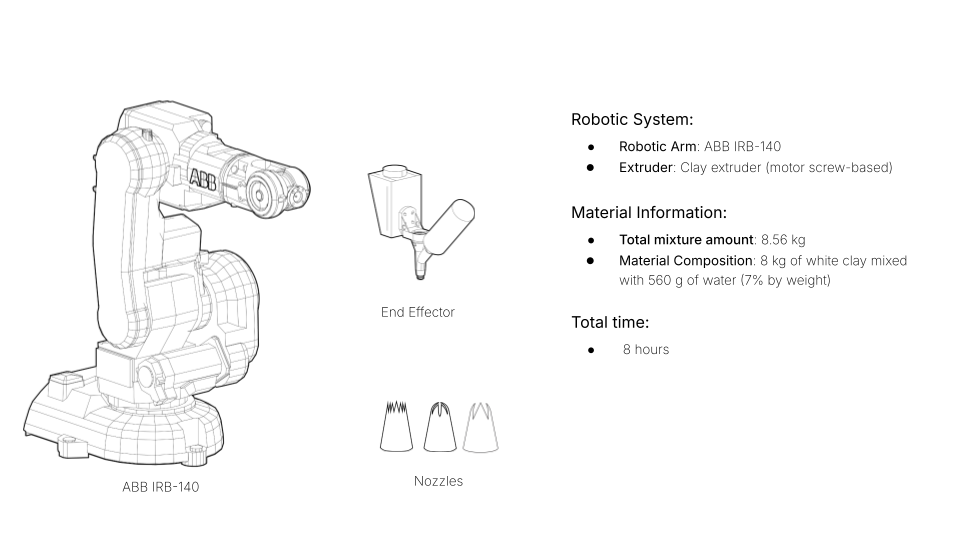
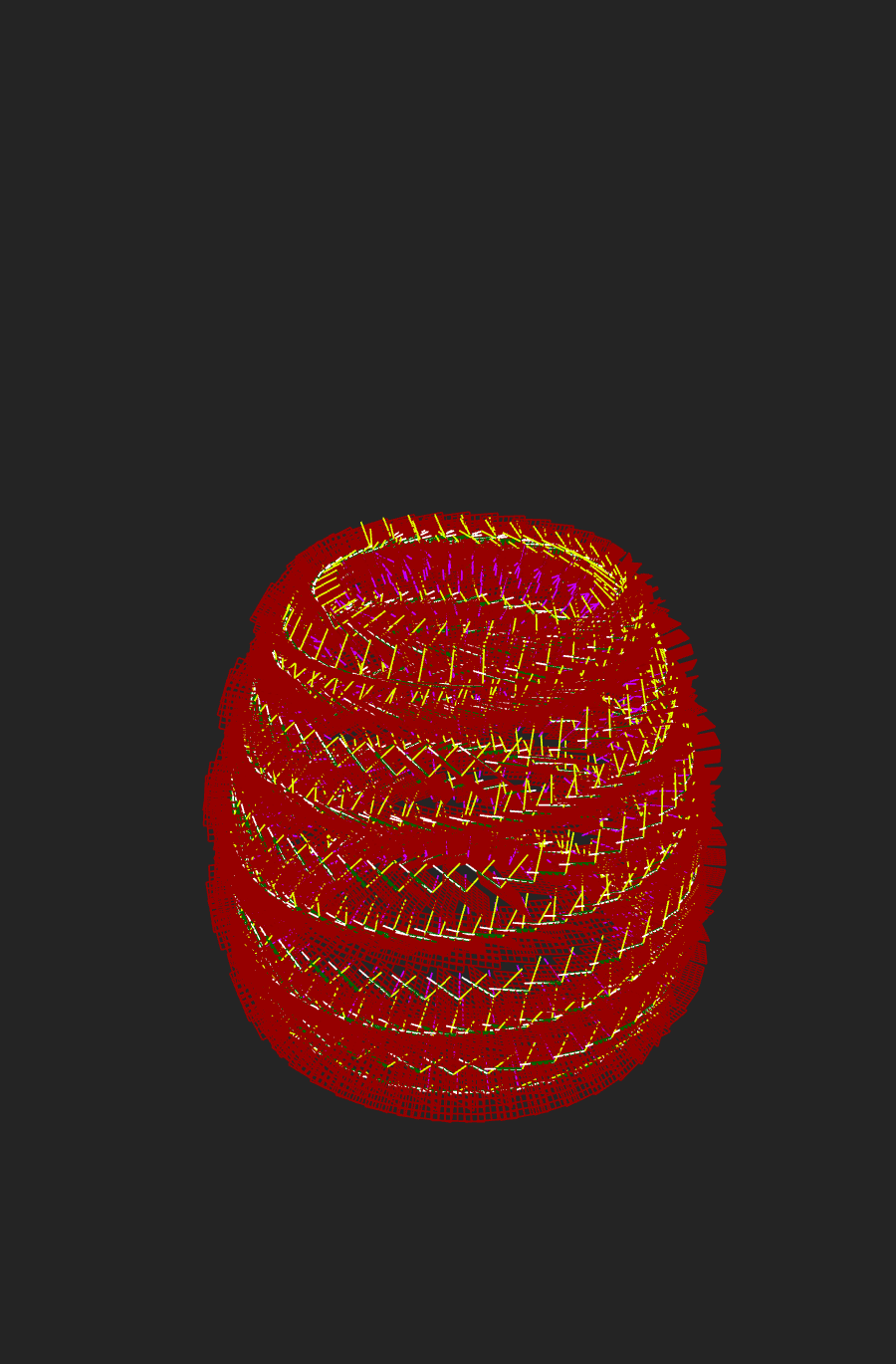
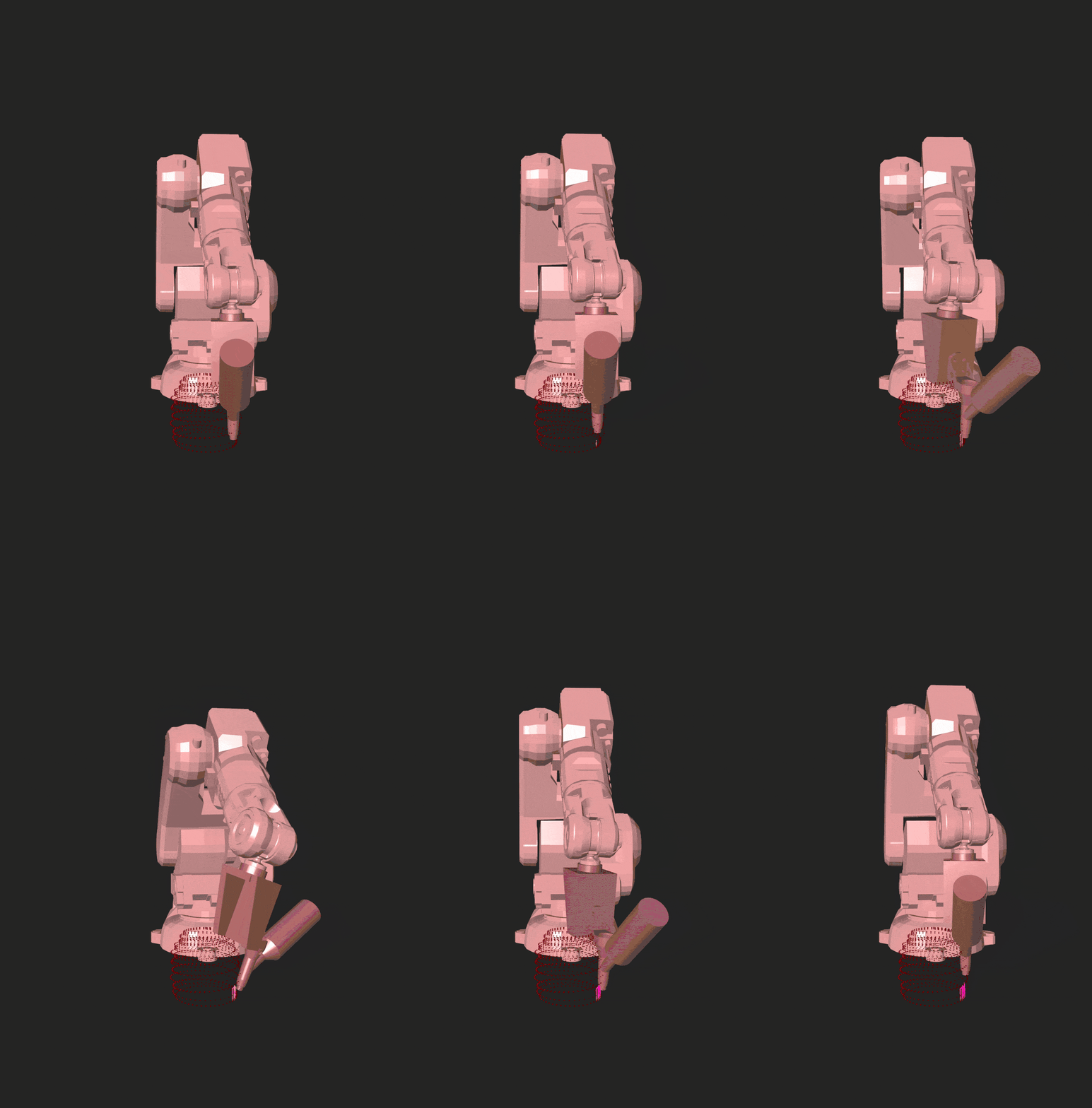
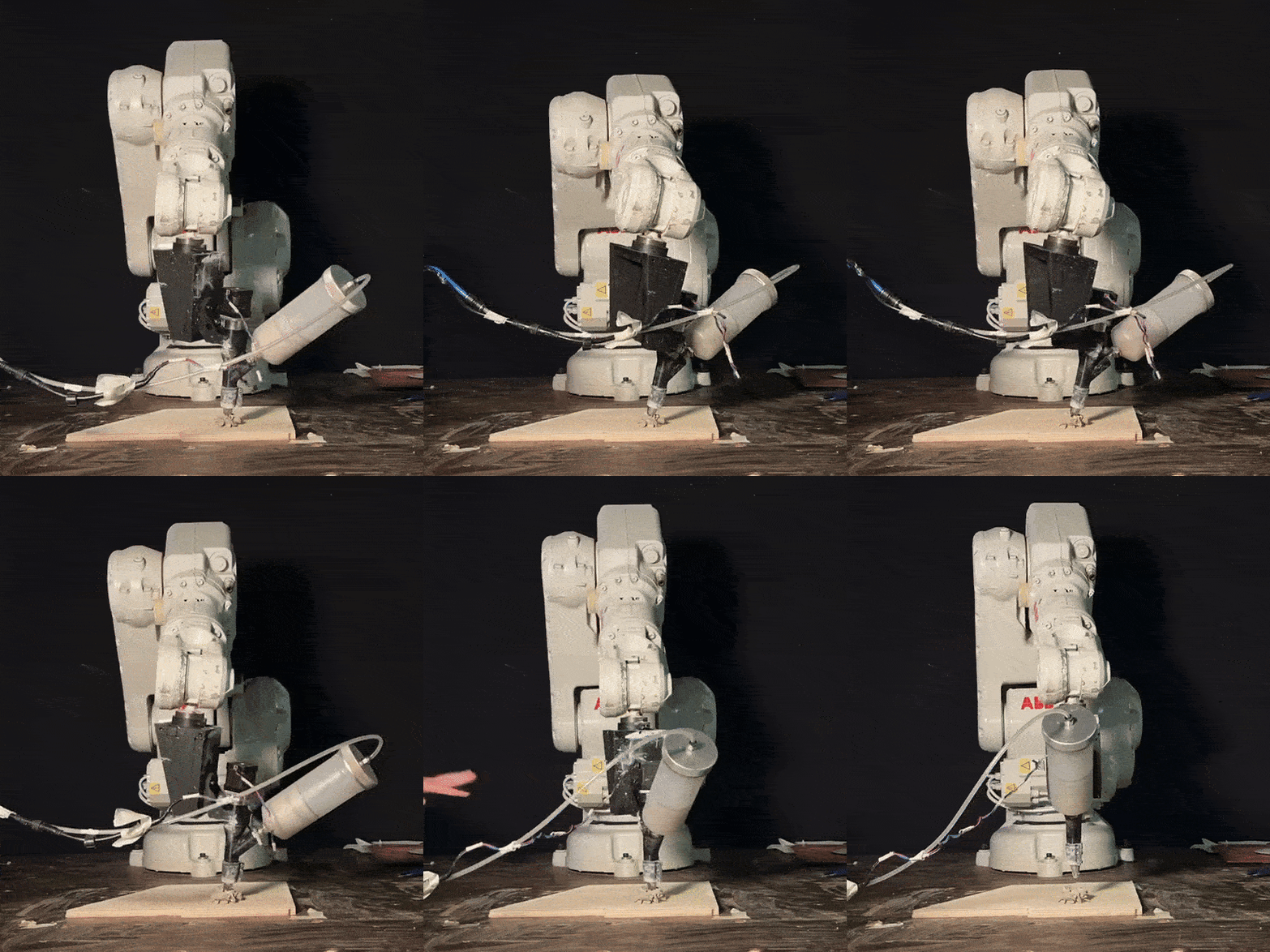
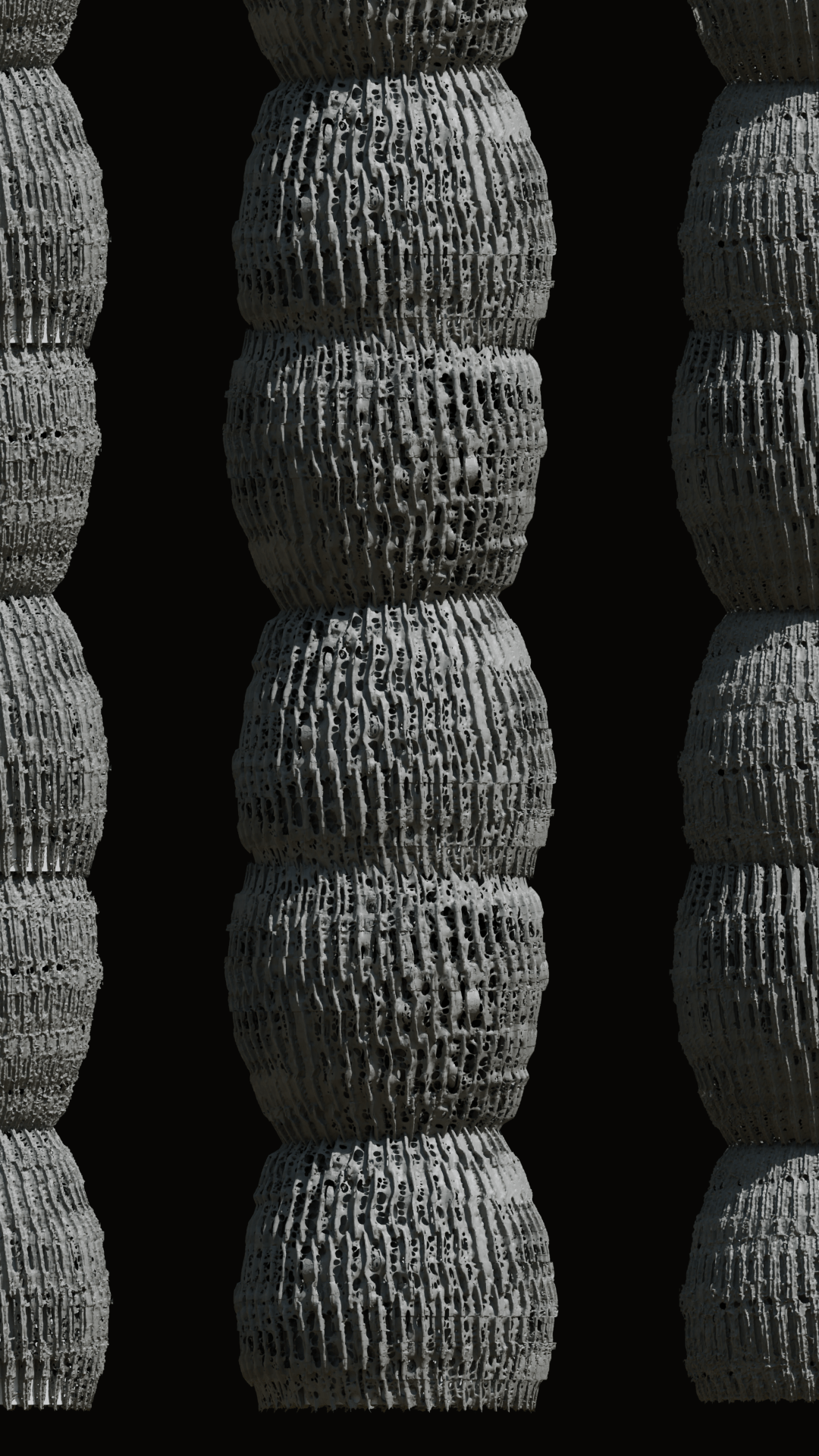
This technique enables unique, biomimetic structures that go beyond traditional horizontal layering, creating intricate textures and organic forms. It enhances material efficiency and minimizes waste.

.png)
.png)
Key Design Rules:
● Modular Growth: Scalable units arranged based on structural and environmental needs.
● Adaptive Porosity: Dynamic void ratios optimize ventilation, shading, and thermal performance.
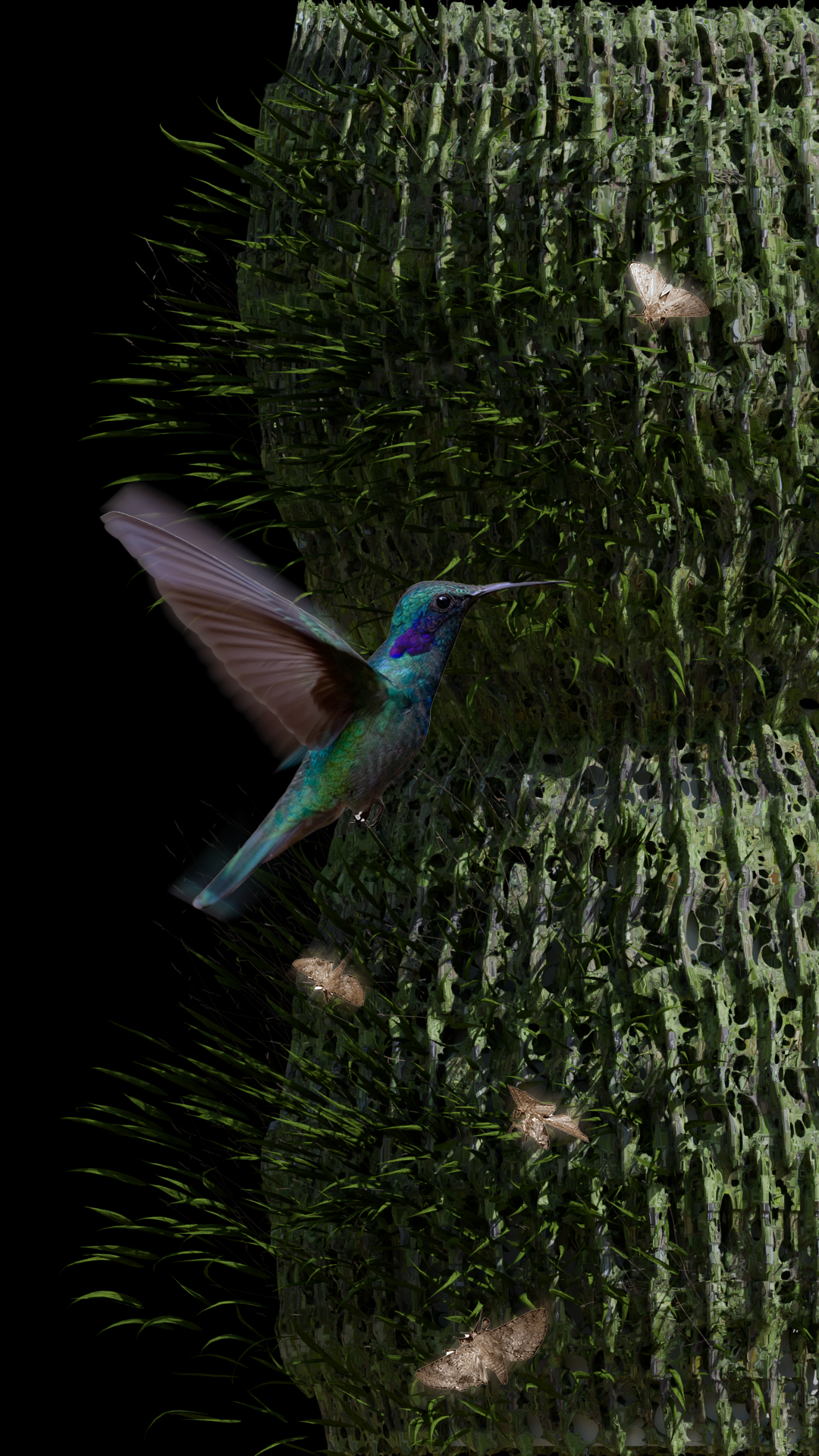
● Bio-Integration: Surfaces foster moss/algae growth for sustainability and insulation.
● Structural Feedback Loops: Real-time load assessments adjust geometry for efficiency.
Variations & Adaptability:
● Climate-Responsive: Forms evolve based on environmental conditions.
● Flexible Use: Configurable for different building functions.
● Performance-Driven: Data-driven optimization for site-specific solutions.
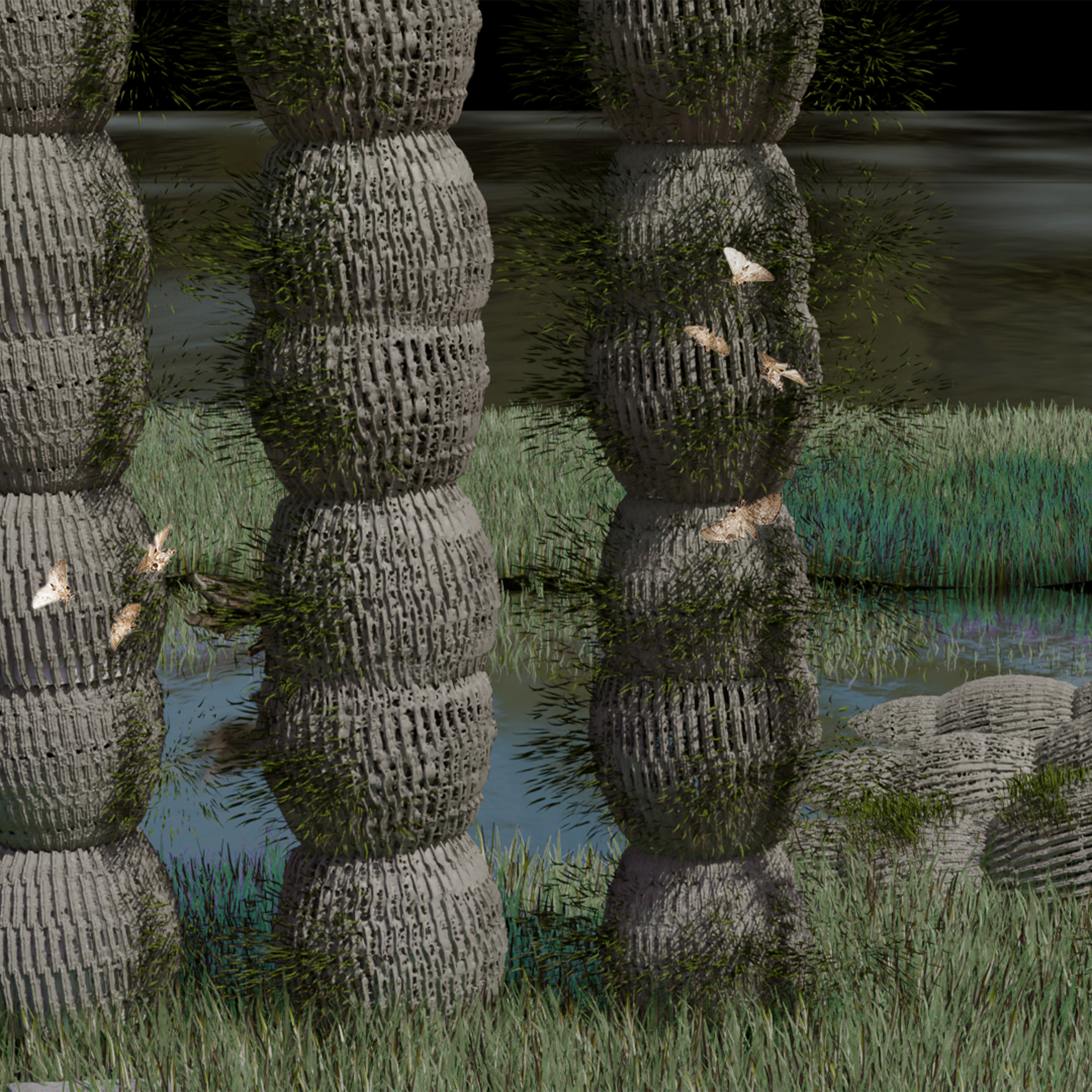
.png)
.png)
.png)
.png)
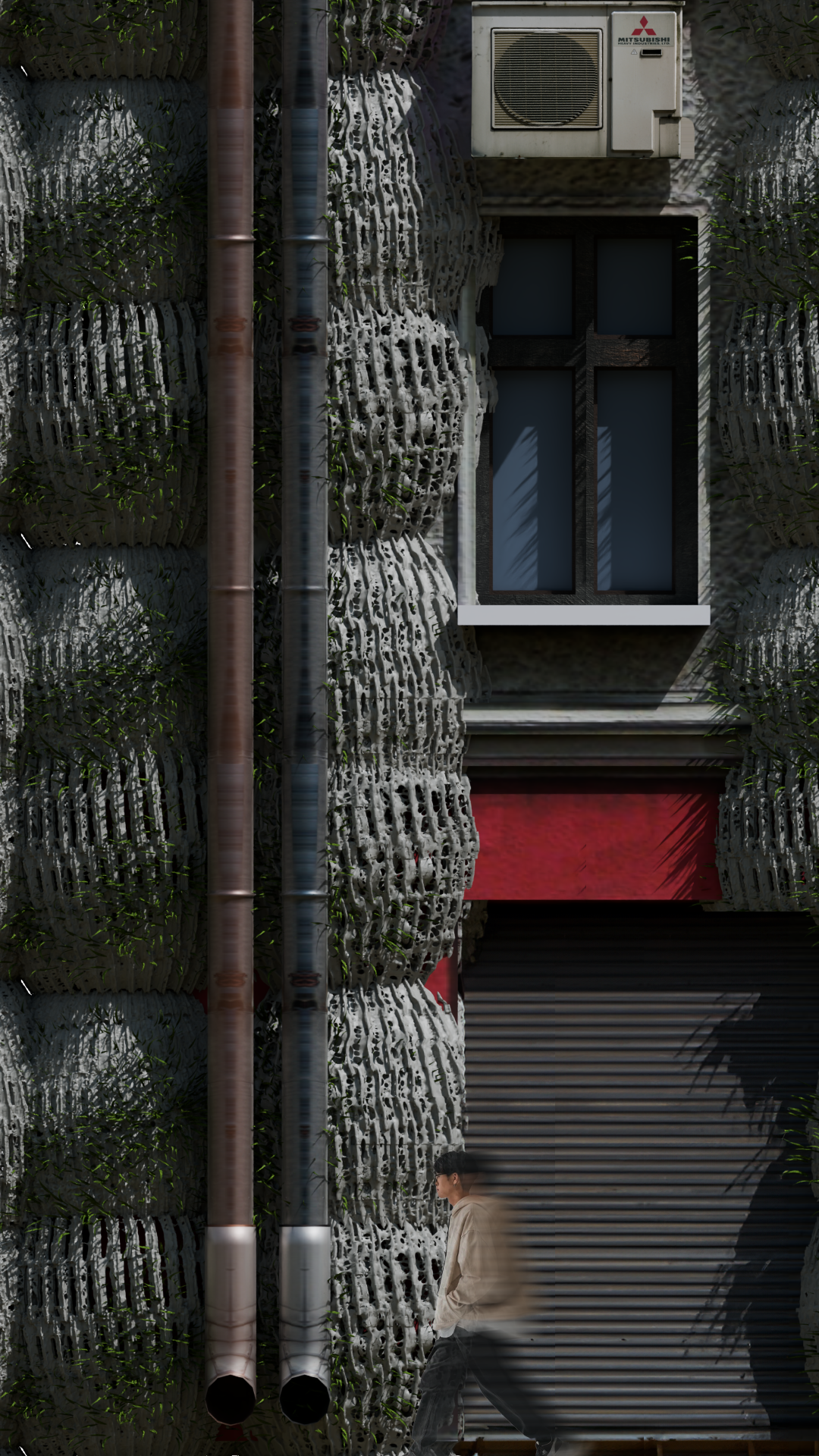
Façade panels with adaptive porosity for climate-responsive architecture.
Bio-integrated surfaces fostering moss or algae growth for enhanced sustainability.
Modular building elements with integrated cooling and shading capabilities.